
Dealing with Diabetic & Peripheral Neuropathy
Clinical Overview: Neuropathy & Diabetic Neuropathy
Peripheral Neuropathy
Peripheral neuropathy involves damage to peripheral nerves, often presenting as numbness, tingling, burning, or pain. Mechanisms include oxidative stress, mitochondrial dysfunction, and impaired nerve regeneration.
Diabetic Neuropathy
Diabetic neuropathy is a common complication of chronic hyperglycemia. Elevated glucose levels lead to:
- Increased oxidative stress
- Advanced glycation end-product (AGE) formation
- Polyol pathway activation
- Microvascular damage to nerve tissue
These processes contribute to nerve fiber damage and impaired nerve conduction.
PubMed: Pathogenesis of diabetic neuropathy
Why This Matters for Adults & Seniors
Aging and metabolic dysfunction increase the risk of neuropathy due to oxidative stress, nutrient deficiencies, and impaired circulation. Targeted nutritional support may help maintain nerve health, improve metabolic balance, and support overall quality of life.
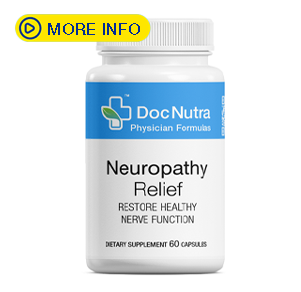
Key Ingredients: for Neuropathy Relief
Alpha-Lipoic Acid (ALA)
ALA is a sulfur-containing fatty acid with a disulfide bond structure, allowing it to function as both a fat- and water-soluble antioxidant.
It supports mitochondrial function, reduces oxidative stress, and may improve nerve blood flow and conduction. ALA has been studied for reducing symptoms of diabetic neuropathy.
PubMed: Alpha-lipoic acid in diabetic neuropathy
Vitamin B6 (Pyridoxine Hydrochloride)
Vitamin B6 is a water-soluble vitamin involved in amino acid metabolism and neurotransmitter synthesis. It functions as a coenzyme (pyridoxal-5-phosphate).
It supports nerve signaling and neurotransmitter production, although excessive intake may cause neuropathy—highlighting the importance of appropriate dosing.
PubMed: Vitamin B6 and neuropathy
Folate (L-Methylfolate)
L-methylfolate is the biologically active form of folate, involved in one-carbon metabolism and methylation reactions.
It supports nerve health by promoting DNA synthesis, repair, and homocysteine regulation—important for vascular and neurological function.
Vitamin B12 (Methylcobalamin)
Methylcobalamin is an active coenzyme form of vitamin B12 involved in myelin synthesis and nerve regeneration.
It supports nerve repair, reduces homocysteine levels, and is essential for maintaining healthy nerve conduction.
PubMed: Methylcobalamin and nerve regeneration
Vitamin B1 Complex (Benfotiamine & Thiamine)
Thiamine is a water-soluble vitamin essential for carbohydrate metabolism, while benfotiamine is a lipid-soluble derivative with enhanced bioavailability.
Benfotiamine helps inhibit pathways involved in diabetic complications, including AGE formation and oxidative stress, supporting nerve protection.
PubMed: Benfotiamine in diabetic complications
Magnesium Glycinate
Magnesium glycinate is a chelated form of magnesium bound to glycine, enhancing absorption and tolerability.
Magnesium supports nerve conduction, muscle relaxation, and NMDA receptor regulation, contributing to neuromuscular function and reduced excitability.
Synergistic Mechanisms
- Oxidative Stress Reduction: ALA protects nerve cells
- Glucose Metabolism Support: B1 and ALA support metabolic pathways
- Myelin & Nerve Repair: B12 and folate support regeneration
- Neurotransmitter Support: B6 supports signaling pathways
- Neuromuscular Balance: Magnesium supports nerve conduction